Practice areas
Four areas, each with its own attorney.
What each one covers, how long things usually take, and what to bring to the first meeting. If yours isn't here, ask anyway: we'll tell you who handles it well.
Property and conveyancing
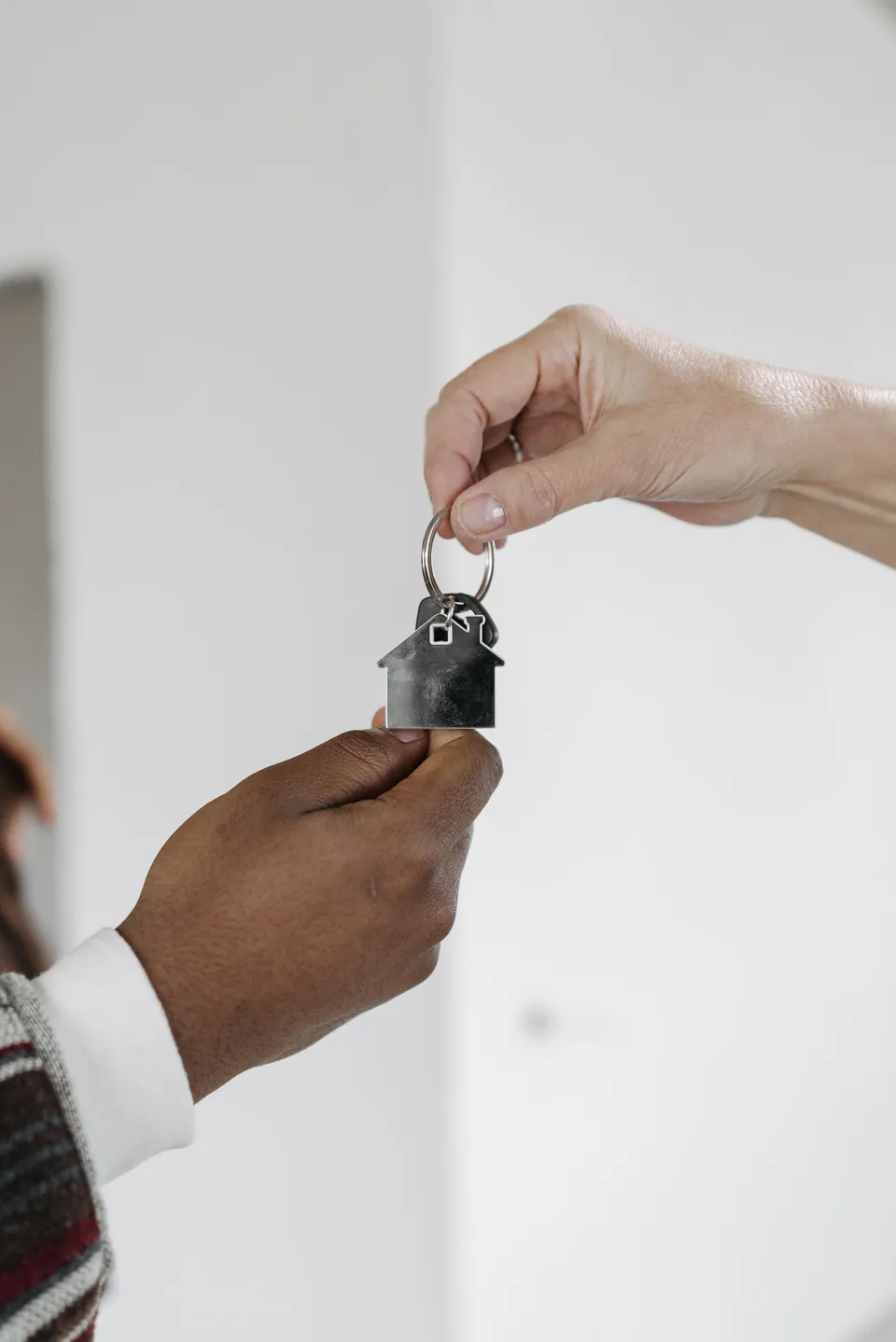
When you buy, the seller usually chooses the conveyancer who transfers the property, and the bank chooses the one who registers your bond. We act on both sides, and on both we do the same thing: tell you plainly what is happening and when it will be done.
What we handle
- Transfers for sellers, from the signed offer to the keys, including the rates clearance from the City of Tshwane.
- Bond registrations and cancellations for the major banks.
- Sectional title and estates with homeowners' associations, including the levy clearance.
- Offers to purchase checked before you sign, so the conditions and dates protect you.
- Notarial work: servitudes, notarial leases and antenuptial contracts.
How a transfer runs
We collect the documents and the certificates the seller must supply: electrical, gas and electric fence. We apply for rates and levy clearance, pay transfer duty to SARS for you, and lodge at the Pretoria Deeds Office. The examiners take about two weeks. After registration the money moves the same day, and we email you the moment it does.
Bring to the first meeting
- The signed offer to purchase, if you have one
- Your ID, and your spouse's if you're married in community of property
- Your marriage certificate and any antenuptial contract
Commercial
Most commercial disputes start with an agreement that was too vague, copied from somewhere else, or never written down. We would rather spend an afternoon getting your contract right than a year arguing about it. When the argument comes anyway, we run it.
What we handle
- Shareholders' agreements and memoranda of incorporation, including what happens when a partner wants out.
- Commercial and residential leases, for landlords and tenants.
- Supplier, service and distribution agreements, and terms and conditions for your website.
- Privacy (POPIA) compliance: the policy, the notices and the information officer's registration.
- Disputes and collections: letters of demand, mediation and, where it is needed, litigation.
Plain English, on purpose
Our agreements are written so that the people who sign them can understand them. Defined terms are kept to a minimum, every clause has a heading, and each draft comes with a one-page note on what you are agreeing to.
Bring to the first meeting
- Any existing agreement, even if it's an email chain
- The company's registration documents from CIPC
- A list of the people involved and what each one contributes

Family
A divorce or a dispute about children is among the hardest things a person goes through, and the legal side should not make it worse. We start with the question of what you need: for yourself, and for any children. Then we look for the quickest fair way to get it.
What we handle
- Divorce, opposed and unopposed, including the division of the estate and pensions.
- Parenting plans, care and contact, and relocation, always with the child's best interests first.
- Maintenance: claims, increases and enforcement, in the maintenance court or by agreement.
- Antenuptial contracts before marriage, and changing your property regime after it.
- Protection orders, the same day where safety requires it.
If you are worried about your safety
Tell us when you call, and we will see you that day. If you are in danger now, phone the police on 10111, or the Gender-Based Violence Command Centre on 0800 428 428.
Bring to the first meeting
- Your marriage certificate and any antenuptial contract
- A rough list of what you own and owe, together and apart
- Any court orders or agreements about the children

Wills and estates
A will is one of the cheapest documents you will ever pay for, and the one your family will be most grateful for. When someone dies, we wind up the estate through the Master of the High Court in Pretoria and keep the family told, in plain English, at every step.
What we handle
- Wills, single and joint, with a guardian for your children and a trust for them if they are young.
- Living wills and powers of attorney.
- Deceased estates, from reporting the estate to the Master through to the final distribution.
- Estates without a will, where the law decides who inherits, explained to the family.
- Free will storage in our fireproof safe, with a copy for you.
Why a will must be signed properly
A will must be signed by you on every page, in front of two witnesses who are fourteen or older and who inherit nothing under it. Many home-made wills go wrong on exactly that point. When you sign with us, we see it done correctly.
Bring to the first meeting
- Your ID and your marriage certificate
- Any existing will
- For an estate: the death certificate and the most recent bank and policy statements

The first step
Forty-five minutes, R950, and a straight answer.
Bring the documents you have. You leave knowing where you stand, what happens next, and what it will cost, in writing.