Durban's boats. Durban's fish.
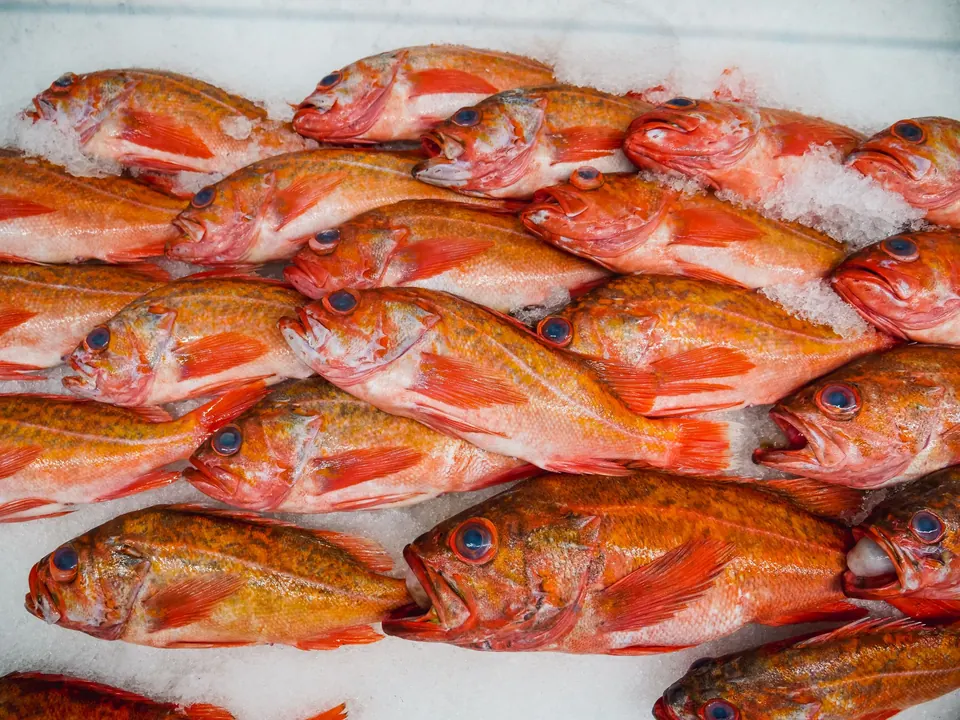
Most of what we cook was swimming off the KwaZulu-Natal coast this morning. The rest comes from people we have met, on farms we have stood on.

Three rules, no exceptions.
01 · We know the boat.
Every fish on the board has its skipper's name next to it in the kitchen book. If we can't write a name, we don't buy it.
02 · The SASSI list, that morning.
Jabu checks every species against the SASSI list before he says yes. Lists change; the check happens every day.
03 · The whole fish, or none.
We buy whole and break it down ourselves. The heads go into the curry, the frames into stock, and the skin is crisped for the counter.
What's in, month by month.
Choose a month to see what the boats bring and what we cook with it. The current month is selected for you.
The board, live.
This is what Jabu would write up today, from what is in season. On a real site the kitchen updates it from a phone at eight each morning, and it changes here in the same minute.
Prices per plate unless marked.
Everyone else at the table.
The fish is half the story. These are the people who supply the other half, most of them within two hours of the kitchen.
A two-hectare market garden that picks on Wednesday and Friday mornings and delivers by eleven.
A family farm on the slopes above the valley. We take whatever is ready, which is how the vegetable plate gets written.
Cultured butter and three cheeses from one dairy; grass-fed beef from a farm up the road from it, aged here.
Bought whole and frozen at sea by one supplier, the same one since we opened. Jabu has been on the boat.

Pull up a stool at the fire.
Forty seats, ten of them at the counter where the cooking happens. Book online up to four weeks ahead; for nine or more, ask about the Smokehouse.