A Fletchcramer Web demonstration. A Signature site: ten pages for R23,999, with table booking, a private-dining quote and a gift-voucher shop at R1,999 each. R29,996 in all.Signature site, R23,999, plus three tools.Back to the showroom →
EMBER Book a table
Journal · three sample stories

Notes from the hearth.

Written by the people who cook here, a few times a year, when there is something worth telling. These three are samples written for the demonstration.

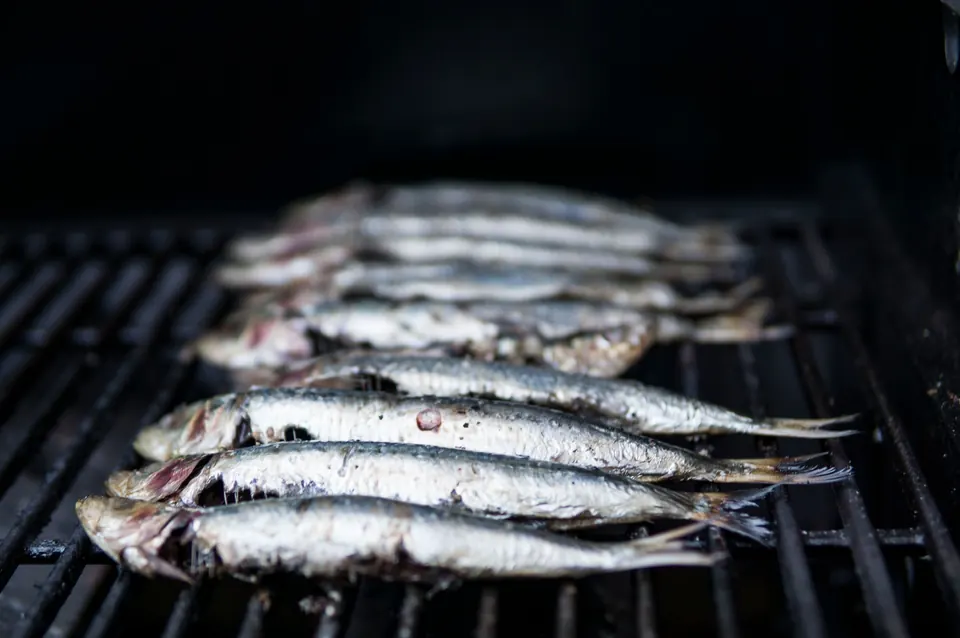
Sardines lined up on a grill
Winter · by Jabu Mkhize · 4 minutes

The sardines are in.

Every winter, sometime between the middle of June and the end of July, a band of cold water pushes up the coast from the Cape and the sardines come with it. Behind them come the dolphins, the gannets, the sharks, and on the Durban beachfront, half the city with buckets.

Nobody can tell you the date. Some years the run reaches us in a fortnight; some years it turns back near Port Shepstone and never arrives. So for those weeks the board stays half empty at eight in the morning and my phone stays on the counter.

When they come, we cook almost nothing else. Whole sardines, gutted and salted for an hour, straight onto the hottest part of the grill until the skin blisters. A spoon of salsa verde, a wedge of lemon, toast from Gugu's oven. Twelve to a plate, R110, until they're gone.

It's the cheapest thing on the menu and, for two weeks a year, the best. If you want to know when, put your number down with Nosipho. She keeps a list, and she texts the morning they land.
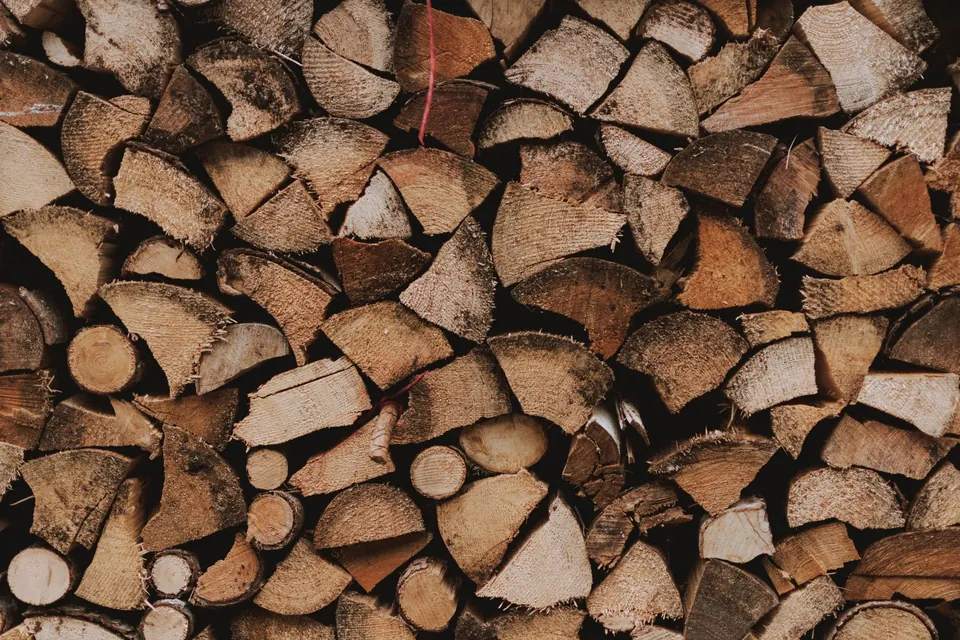
Split logs stacked end-on
Autumn · by Yusuf Moosa · 5 minutes

Why we burn sickle bush.

People ask what wood we use more than they ask about the fish. The honest answer is: whatever gives the best heat with the least harm, and right now that's sickle bush.

It's a thorny little tree that has been spreading across grazing land in the Midlands for decades, choking out the grass the cattle need. Farmers pay teams to clear it. We buy what they clear, about two tonnes a month, delivered on a flatbed every second Monday.

It burns dense and long, and the coals hold their heat for nearly an hour, which matters when you're cooking whole fish for two. The smoke is clean and a little sweet. It doesn't fight the food.

What we don't burn is camel thorn. It's beautiful wood, the braai wood everyone's grandfather swore by, but it grows slowly and it's protected, and most of what gets sold was cut where it shouldn't have been. Every load we buy comes with the farm's name, and we keep the delivery notes. Ask to see them; we'll show you.

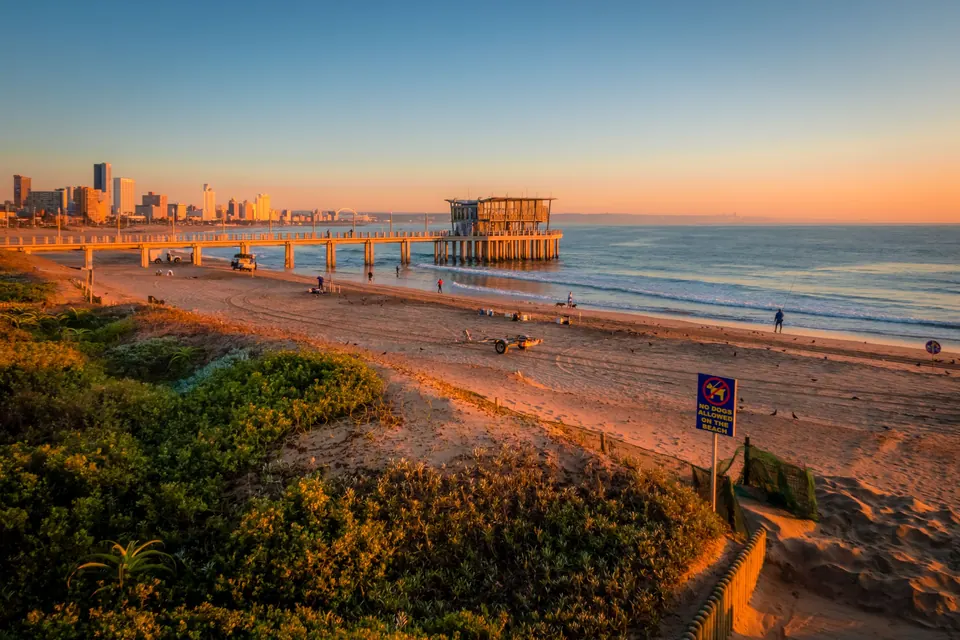
A Durban pier and the city at sunrise, with dune grass in front
Spring · by Jabu Mkhize · 3 minutes

Half past five on the beach.

The first boats are back through the surf before six. You hear them before you see them: two engines lifted out of the water at the last moment, a hull on the sand, three men running it up the beach on rollers.

I'm not the only buyer there. There are hotel chefs, a man who supplies half the fish shops in the city, and an old lady who buys one fish every morning and has done since before I was born. The skippers sell to whoever is standing there with cash and a cooler box.

I go for the fish nobody else wants as much as for the ones they do. A slinger is not a famous fish, but cooked whole over coals with brown butter, it's as good as anything on the board. Because nobody fights me for it, it's how we keep the whole fish at R48 a hundred grams.

By seven I'm back in Morningside with the cooler box in the boot, calling Yusuf to tell him what to expect. By eight the board is written. By two the fire is lit. Most days, that's the whole plan.

Tonight, or soon

Pull up a stool at the fire.

Forty seats, ten of them at the counter where the cooking happens. Book online up to four weeks ahead; for nine or more, ask about the Smokehouse.